
10kW Hybrid Inverter Selection: Output, PV Input and Battery Range
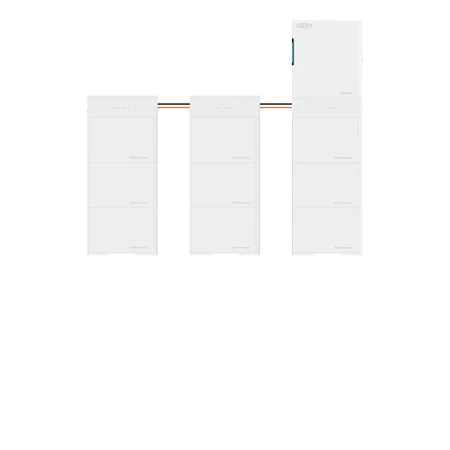
10kW hybrid inverters are commonly selected for homes requiring around 10,000W AC output, larger solar input capacity, and expandable battery storage. A suitable system usually combines a 10–20kW PV array, a 10–40kWh battery bank, and efficiency levels above 95%. Selecting the inverter requires matching household peak demand, solar generation, battery voltage range, and backup requirements rather than focusing only on rated power.
A 10kW hybrid inverter is designed for residential energy systems where electricity demand exceeds the capability of smaller 3kW–8kW units. It can support appliances such as heat pumps, air conditioners, electric water heaters, workshops, and EV charging equipment. Most models provide around 10,000W continuous AC output, with some supporting 110%–120% temporary overload capability for short periods.
A home using 45kWh of electricity per day may not need 10kW output continuously, but it can require higher inverter capacity when multiple appliances operate at the same time.
The inverter output rating should be compared with the maximum simultaneous load instead of average daily consumption. For example, a house consuming 30kWh per day may have a 3kW average load but experience 8kW–10kW peaks when cooling equipment, cooking appliances, and EV chargers operate together.
The PV input rating determines how much solar capacity can be connected to the inverter. Many 10kW hybrid inverters allow PV oversizing because solar panels rarely produce their rated output throughout the day. A 15kW solar array connected to a 10kW inverter can increase annual energy production during mornings, evenings, winter periods, and cloudy weather.
PV oversizing ratios between 120% and 200% are commonly used in residential solar designs after 2020.
For example:
| System Design | PV Capacity | Inverter Size |
|---|---|---|
| Standard configuration | 10kW | 10kW |
| Higher solar production | 12–15kW | 10kW |
| Low sunlight region | 15–20kW | 10kW |
A larger PV input range also provides more flexibility when homeowners expand their solar system. The MPPT design should also be considered because multiple trackers allow different roof orientations to operate independently.
A typical 10kW hybrid inverter may include 2–4 MPPT channels with a maximum PV voltage around 500V–1000V depending on product design. When east-facing and west-facing panels are installed together, separate MPPT channels can reduce mismatch losses and improve yearly generation.
The solar input capability connects directly with battery storage performance because excess daytime electricity can be stored instead of exported. A complete home energy system requires the inverter, solar array, and battery capacity to work within compatible ranges.
Battery voltage is another important specification when selecting a 10kW hybrid inverter. High-voltage lithium batteries are commonly used because they reduce current flow and improve conversion efficiency. A 400V battery system requires significantly less current than a 48V battery system delivering the same power output.
| Battery Type | Common Voltage Range | Typical Storage Size |
|---|---|---|
| High-voltage lithium battery | 100V–600V | 10–40kWh |
| Modular residential battery | 200V–500V | Expandable |
| Low-voltage battery | Around 48V | Smaller systems |
For a 10kW inverter, battery capacity selection depends on backup time requirements. A 20kWh battery can theoretically supply a 10kW load for about 2 hours, while the same battery may support a 2.5kW–3kW household load for 6–8 hours.
A practical residential backup design usually considers essential loads first, including refrigeration, lighting, communication equipment, heating or cooling systems, and security devices.
Battery charging and discharging power also affect system performance. A battery that stores energy slowly may not absorb all available solar production during midday periods. Many 10kW hybrid inverters support 100A–200A charging currents depending on battery voltage and internal design.
For example, a 15kW PV system can generate more than 10kW during peak sunlight hours. If the battery charging power is limited, additional solar production may be exported to the grid or reduced by the inverter.
The ESYsunhome 10kW home ESS integrates a 10kW hybrid inverter with residential energy storage functions, supporting solar generation, battery management, and backup power applications. Systems in this category are designed for homeowners who need higher output capacity with expandable storage options.
A 10kW hybrid inverter also needs suitable backup capability. Many residential models provide backup switching times between 10ms and 20ms, allowing important household devices to continue operating during grid interruptions.
Backup configuration usually includes:
| Load Category | Typical Power Range |
|---|---|
| Refrigerator | 100W–500W |
| Lighting | 100W–1000W |
| Internet equipment | 20W–100W |
| Heat pump | 1000W–5000W |
| EV charging | 3000W–7000W |
The backup duration depends on both battery size and actual electricity consumption. A 30kWh battery can provide longer operation than a 10kWh battery, but the final runtime changes according to appliance usage.
Inverter efficiency also affects daily energy availability. Modern hybrid inverters usually achieve 95%–98% efficiency, meaning a small percentage of electricity is lost during DC-to-AC conversion and battery charging processes. Over a year, even a 1% efficiency difference can affect hundreds of kilowatt-hours in larger systems.
System voltage compatibility and installation standards vary by region. Residential applications in North America often use 120/240V split-phase systems, while many European homes use 230V single-phase connections. The inverter must match local grid requirements and certification standards before installation.
When selecting a 10kW hybrid inverter, several specifications should be reviewed together:
| Specification | Recommended Range |
|---|---|
| AC Output | 10kW |
| PV Input | 12–20kW |
| Efficiency | 95%–98% |
| Battery Capacity | 10–40kWh |
| MPPT Channels | 2–4 |
| Backup Output | Up to 10kW |
A properly matched system improves solar utilization, provides stable backup power, and allows future battery expansion. In 2026, residential energy storage designs increasingly combine larger PV arrays, intelligent energy management, and modular batteries to meet higher electricity demand without replacing the entire system.